Windrose Guide: How to Get Lobster Mushroom
Locate the Cursed Swamps' Rarest Resource to Upgrade Your Camp and Unlock High-Tier Food Buffs.

Quick Answer: Lobster Mushrooms only spawn in the Cursed Swamps biome at the base of dark-barked Mother Trees. Farm the coastline edges to avoid sinking, store them in a Cooling Box so they stay fresh, and use them to craft the Supplies Rack or cook high-tier stat-boosting meals.
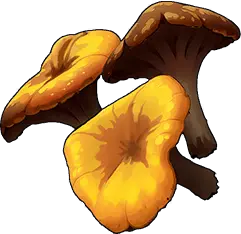
Lobster Mushrooms are one of those resources in Windrose that separate players who are just surviving from players who are actually thriving. Found exclusively in the murky southern region, these bright yellow fungi are game-changers. They unlock rare food recipes, fuel the Basic Composter, and act as the core ingredient for the Supplies Rack.
Miss them, and your cooking progression hits a brick wall. Farm them consistently, and your camp becomes a well-oiled machine. Here is exactly where to find them and how to use them.
Where to Find Lobster Mushrooms
You have to head south. Lobster Mushrooms are a Southern Swamp Biome exclusive, meaning you will never spot them in the northern forests or central plains. To even access this area, you must finish the early foothills progression and unlock the Forgotten Relics quest.
Once you enter the Cursed Swamps, look for bright yellow clusters popping against the dark swamp floor.
Why You Keep Missing Them
The game classifies these as “Group Spawners.” They only grow attached to specific Mother Trees in the swamp, usually hiding in the twisted root crooks or under massive decaying leaves. If you are blindly running through the water, you will not find them.
Many players also stick strictly to the wooden walkways and high stone paths to avoid the exhausting “Ensnared” debuff. That is a safe way to travel, but it completely bypasses the root zones where these mushrooms actually spawn.
The Safest Farming Route
Diving into the deep interior of the swamp is a trap. The best farming strategy involves sticking to the coastline edges of the Cursed Swamps. You get better visibility, much safer escape routes, and solid mushroom density without dealing with the worst enemies.
Follow this exact path for a fast harvest:
- Travel to the southernmost map section into the Cursed Swamps.
- Scan the base of large, dark-barked trees for bright yellow clusters.
- Check the immediate 5-meter radius around your first find, as they spawn in groups of 3 to 5.
- Stay on solid ground near the water’s edge instead of wading in blindly.
- Strike the ground with your sword before entering a patch: a splash means shallow water, but a slow ripple means you are about to sink.
Warning: Do not grab the “Sulfur Stool” by mistake. This lookalike mushroom grows near rocks instead of trees, has jagged edges, and looks pale yellow. Lobster Mushrooms are rounded and meaty. Eating a Sulfur Stool will cost you health.
What Are Lobster Mushrooms Used For?
This bright yellow fungus bridges the gap between early survival and mid-game base optimization.
Cooking Recipes and Stat Buffs
Snagging your first Lobster Mushroom immediately unlocks rare-tier recipes. These meals provide massive 30-minute buffs, which are practically mandatory before taking on major threats. If you need a serious stat boost before a tough fight, cook these up. Speaking of tough fights, if you are struggling with the game’s brutal difficulty spikes, you should definitely read our Windrose Guide: How to Beat Israel Hands to prepare your loadout.
| Recipe | Ingredients | Effect |
| Beans with Mushrooms and Sweet Potato | Lobster Mushrooms, Beans, Sweet Potatoes | Defense Boost (2 meals) |
| Meat in Tangy Mushroom Sauce | Lobster Mushrooms, Raw Meat, Citron or Vinegar | Stamina Cap Increase (2 meals) |
Danger: Never eat a raw Lobster Mushroom. While it heals a tiny amount of health, it carries a 15% chance of inflicting “Food Poisoning,” which completely drains your stamina. Cook them or compost them.
Crafting the Supplies Rack
You cannot expand your base’s cooking capabilities without the Supplies Rack. This upgrade to your cooking fire expands your entire menu. It only works within the radius of a Bonfire, so you must place it centrally in your main camp.
Here is exactly what you need to craft it:
- 5 Hardwood
- 5 Coffee Beans
- 5 Salt
- 5 Nuts
- 5 Lobster Mushrooms
Powering the Basic Composter
Lobster Mushrooms also act as a biological catalyst. Toss 5 of them into the Basic Composter alongside spoiled food and organic waste, and you will produce High-Quality Fertilizer. This fertilizer is exactly what you need to feed advanced crops in your seedbeds.
How to Farm Efficiently Without Dying
Randomly running through the swamp burns through Stamina Potions and gets you killed. A structured approach guarantees a full inventory.
- Mark Your Map: Resource nodes in the Cursed Swamps respawn every 48 in-game hours. Drop a custom “Food” icon on the map whenever you find a dense cluster.
- Double Dip: Never go into the swamp just for mushrooms. Hunt for Ancient Scraps and Quagmire Powder while you forage to maximize the value of your Stamina Potions.
- Gear Up: Craft Sturdy Boots or eat Stamina Regeneration food before stepping in the mud. If you have Forager’s Gloves, equip them immediately. They grant a +1 bonus to every cluster you gather.
- Proper Storage: Lobster Mushrooms spoil. If you are not instantly cooking or composting them, dump them into a Cooling Box at your base. Fresh mushrooms yield much better composter results than decaying ones.
Can You Buy Them Instead?
Yes, but your wallet will hurt. The Southern Nomad, a traveling merchant who occasionally sets up camp on the border of the Plains and the Swamp, sells them for 40 Piastre a pop. Buying enough for just the Supplies Rack will drain your funds instantly.
If you hate foraging, try these two alternatives:
- Smash open the Chef’s Crates floating near swamp shorelines. They often hold 2 to 3 Lobster Mushrooms and rare spices.
- Check the ancient ruins deeper in the swamp. They feature elevated wild garden plots that are much safer to harvest than the open mire.
Just remember that Lobster Mushrooms are currently a “Wild-Only” resource. You cannot plant them in your seedbeds, so foraging will always be your primary way to stock up.
Looking for more weapon builds, boss strategies, and walkthroughs? Check out our full library of tips.